In the vibrant tapestry of Mexican cuisine, few elements are as fundamental or as revered as the corn tortilla. It's the sturdy foundation for countless dishes, a vehicle for flavor, and a comforting staple found on tables across the globe. Yet, a crucial distinction exists that separates a merely acceptable meal from an extraordinary culinary experience: the difference between store-bought and homemade tortillas. For anyone truly seeking to capture the soul of Mexican cooking, embracing an authentic corn tortilla recipe isn't just a choice; it's a revelation.
While the convenience of a supermarket stack might seem appealing, it often comes at the cost of flavor, texture, and nutritional value. The journey from a simple bag of masa harina to a stack of warm, pliable, homemade tortillas is surprisingly accessible and yields a reward far greater than the minimal effort required. Forget the bland, sometimes rubbery, often preservative-laden discs from the store. Prepare to discover why making your own corn tortillas from scratch isn't just better – it's essential for anyone who appreciates real food.
The Unrivaled Taste of Tradition: Why Homemade Wins
For generations, in countless Mexican households, the day begins and ends with fresh tortillas. According to those deeply rooted in Mexican culinary traditions, a true cook makes tortillas from scratch every single day, without exception. This daily ritual underscores a profound truth: the freshest tortillas are the best tortillas. And freshness, by its very definition, is something store-bought options simply cannot replicate.
The moment a corn tortilla is cooked, its inherent freshness begins to wane. The masa—the dough made from specially processed corn flour—is wonderfully perishable once transformed into a tortilla, ideally meant to be enjoyed within a day or two. This natural shelf life is precisely why store-bought versions are often riddled with preservatives, stabilizers, and other additives designed to extend their viability for weeks, sometimes even months, on supermarket shelves. While practical for retailers, these ingredients inevitably compromise the very essence of a tortilla.
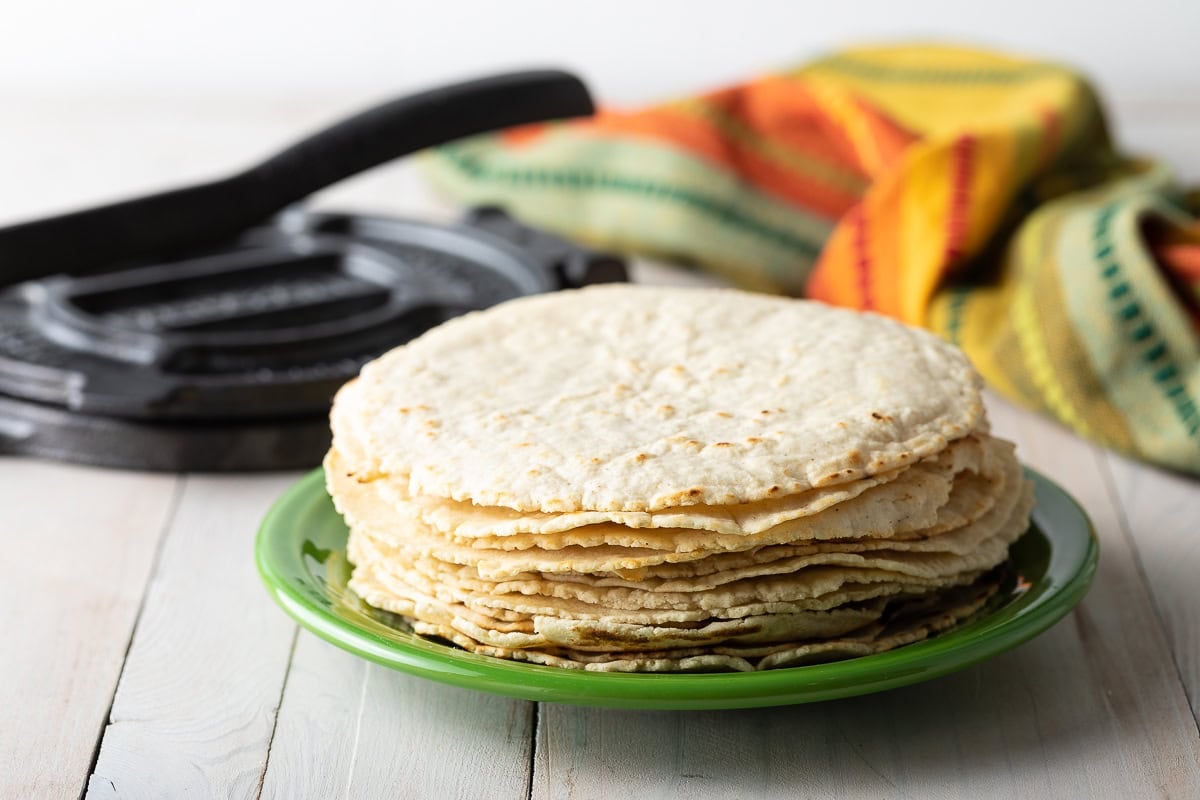
When you bite into a homemade corn tortilla, the difference is immediate and striking. You’re greeted with a soft, warm embrace, a subtle corn aroma, and a pliable texture that cradles your fillings without cracking. There's a slight chew, a delicate char from the griddle (often referred to as 'leopard spots'), and an earthy sweetness that only pure, fresh ingredients can deliver. In contrast, many store-bought corn tortillas often taste flat, somewhat artificial, or possess an unwelcome rigidity. They might lack the subtle speckled beauty and bounce of a truly fresh, well-made tortilla, often feeling dry or even crumbly.
The act of making tortillas is also an experience in itself – a connection to heritage, a simple pleasure that elevates any meal. It's a testament to the idea that sometimes, the simplest foods are the most satisfying, especially when made with care and without shortcuts.
A Journey Through Time: The Ancient Art of Tortilla Making
The history of the corn tortilla is as rich and deep as the culture from which it originates. Long before the arrival of European conquistadors in the 15th century, the indigenous peoples of Mesoamerica had already mastered the art of tortilla-making. This wasn't just about grinding corn; it involved an ingenious, scientifically advanced process known as nixtamalization.
Nixtamalization is a transformative alkaline cooking process that involves soaking and cooking corn kernels in a solution of slaked lime (calcium hydroxide) and water, then washing and hulling them. This ancient technique, developed millennia ago, does far more than simply prepare the corn for grinding. It triggers a series of crucial changes:
- Unlocks Nutrition: Crucially, nixtamalization releases bound Vitamin B3 (niacin), making corn a far more nutritious and bioavailable food. Without this process, corn-dependent diets would suffer from pellagra, a severe niacin deficiency.
- Enhances Flavor and Aroma: It develops the distinct, complex corn flavor and aroma that is characteristic of authentic Mexican cuisine.
- Improves Texture: It alters the corn's starches and proteins, making the resulting dough (masa) incredibly pliable and easy to work with, essential for creating soft, flexible tortillas.
The product of this painstaking process, once dried and ground into a flour, is what we know as masa harina – the cornerstone of any authentic corn tortilla recipe. While some traditionalists might still nixtamalize corn at home, the widespread availability of high-quality masa harina has made homemade tortillas accessible to everyone.
Across Mexico, regional variations in tortilla preparation speak to the diversity and ingenuity of its people. From the famously thin, almost translucent tortillas cherished in Oaxaca to the thicker, heartier versions found in Guadalajara, and the unique, earthy blue corn tortillas treasured in the mountains of Central Mexico, each offers a distinct culinary experience, yet all share the same fundamental respect for fresh, quality ingredients.
Crafting Perfection: Your 3-Ingredient Authentic Corn Tortilla Recipe
Despite its ancient roots and profound cultural significance, making an authentic corn tortilla recipe at home is surprisingly simple. You only need three core ingredients:
- Masa Harina: This is non-negotiable. Look for a reputable brand of masa harina, which literally means "dough flour." This isn't just any corn flour; it's corn flour that has undergone the nixtamalization process. Its unique flavor and texture are what give corn tortillas their distinct character. Different brands can absorb water differently, so keep that in mind.
- Warm Water: The temperature of the water plays a role in how well the masa harina rehydrates and how pliable your dough becomes. Warm water helps activate the starches and makes for a more cohesive, manageable dough. The exact amount can vary slightly depending on your masa harina brand and ambient humidity, so always adjust gradually.
- Sea Salt: A pinch of fine sea salt enhances the corn's natural flavor, bringing a subtle balance to the tortilla.
The hands-on time for preparing a batch of homemade tortillas can be as little as 30 minutes, making it a perfectly feasible addition to your weekly cooking routine. The process involves mixing the ingredients to form a soft, pliable dough, kneading it briefly, forming small balls, and then pressing them into thin discs.
Essential Equipment and Tips for Success:
- Tortilla Press: While you can use a rolling pin between two heavy books, a cast iron or aluminum tortilla press is a game-changer. It makes quick work of flattening the dough balls evenly and consistently. Line it with two pieces of plastic wrap or a cut-open Ziploc bag to prevent sticking.
- Dough Consistency: The ideal masa dough should feel like soft playdough – moist but not sticky, firm but not dry. If it's too crumbly, add a tiny bit more water; if it's too sticky, add a little more masa harina.
- Cooking Surface: A well-seasoned cast iron griddle (comal) or a heavy-bottomed non-stick pan is perfect. Heat it to medium-high.
- The Flip Test: Cook the tortilla for about 30-45 seconds on the first side until the edges start to dry. Flip and cook for another 1-1.5 minutes. Flip one more time for 30-45 seconds; this is often when the tortilla will puff up, indicating it's perfectly cooked through and soft.
- Keep Them Warm: As soon as they come off the griddle, wrap your tortillas in a clean kitchen towel or place them in a tortilla warmer. This keeps them soft and pliable, preventing them from drying out.
Remember, practice makes perfect. Your first few might not be perfectly round, but they will still taste infinitely better than anything from a package.
Beyond the Taco: Versatility and Health Benefits of Homemade Tortillas
The applications for fresh, homemade corn tortillas extend far beyond the humble taco. Their versatility makes them a true culinary workhorse in any kitchen:
- Tacos and Fajitas: The classic use, providing the perfect vehicle for any filling, from carnitas to grilled vegetables.
- Quesadillas: Melted cheese sandwiched between two warm tortillas, perhaps with a touch of protein.
- Enchiladas and Enchilada Casseroles: Soft tortillas rolled or layered with fillings and smothered in rich sauces.
- Empanadas: Though often made with a different dough, masa tortillas can be folded, filled, and fried for a quick version.
- Homemade Tortilla Chips: Cut into wedges, fried or baked until crispy, and seasoned with salt – a snack far superior to store-bought.
- Side Dish: Simply served warm alongside saucy stews or soups, perfect for soaking up every last drop of flavor.
- Health Conscious Choice: For those managing dietary restrictions, homemade corn tortillas are an excellent gluten-free alternative to wheat flour tortillas. Made from just corn, water, and salt, they are a wholesome and natural choice, free from the preservatives, trans fats, and artificial ingredients often found in commercial products.
Beyond their practical uses, there’s an emotional satisfaction that comes from making tortillas from scratch. It's a connection to heritage, a "warm hug" from a family's culinary past, and a delightful activity for kids to participate in, fostering an appreciation for real, wholesome food. This simple flatbread embodies comfort and community, transforming everyday meals into moments of shared joy.
Conclusion
The choice between authentic, homemade corn tortillas and their store-bought counterparts is clear: for unparalleled flavor, superior texture, and genuine nutritional value, homemade wins every time. Embracing an authentic corn tortilla recipe is more than just cooking; it's an act of cultural appreciation, a commitment to quality, and a gateway to a more vibrant and satisfying culinary experience. With just three simple ingredients and a little practice, you can transform your meals from ordinary to extraordinary, one warm, pliable tortilla at a time. So, ditch the packaged versions and discover the irresistible joy of homemade – your taste buds, and your family, will thank you.
