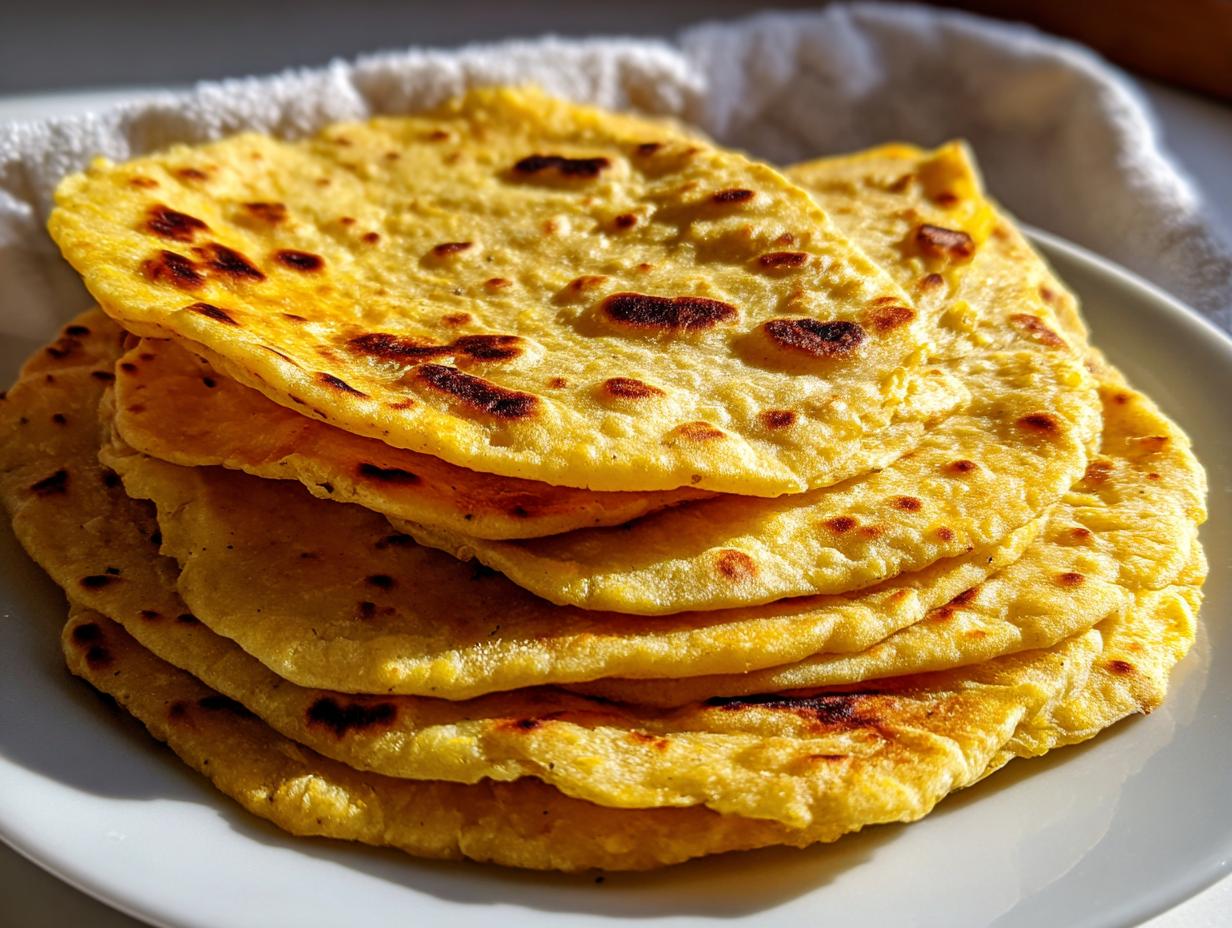
Imagine biting into a warm, soft, and slightly chewy tortilla, its earthy corn flavor perfectly complementing your favorite taco filling. Now imagine that tortilla was made by your own hands, with just three simple ingredients, in less time than it takes to decide on takeout. This isn't a culinary fantasy; it's the reality of mastering an authentic corn tortilla recipe at home. Forget the often-stale, preservative-laden versions from the grocery store. True Mexican cooks know that fresh tortillas are a daily ritual, a staple that transforms any meal into an experience. And you're about to join their ranks.
For centuries, the corn tortilla has been the bedrock of Mesoamerican cuisine, a testament to ancient ingenuity and a symbol of nourishment and tradition. While the thought of making them from scratch might seem daunting, this guide will demystify the process, proving that perfection is incredibly achievable with just masa harina, water, and sea salt. Prepare to revolutionize your meals and rediscover the vibrant taste of genuine Mexican food.
The Ancient Roots of the Authentic Corn Tortilla
Long before European explorers set foot in the New World, native Mesoamericans had already perfected the art of tortilla-making, a culinary tradition stretching back thousands of years. Their genius wasn't just in grinding corn; it was in a revolutionary process called nixtamalization. This ingenious technique involves soaking and cooking corn kernels in an alkaline solution (typically lime water), then rinsing and grinding them.
Why was nixtamalization so groundbreaking? Beyond making the corn easier to grind and imparting a unique flavor and aroma, it dramatically increased the nutritional value. It releases bound niacin (Vitamin B3), making it bioavailable, and improves the balance of amino acids, transforming corn from a mere staple into a more complete food source. The result is the distinct corn flour we know today as masa harina, the very foundation of our authentic corn tortilla recipe.
This process is more than just a historical footnote; it's the secret behind the authentic flavor and texture that store-bought tortillas simply can't replicate. While you could technically nixtamalize corn at home, modern masa harina offers all the benefits of this ancient process in a convenient, ready-to-use form. The tortilla isn't just food; it's a "warm hug" from Mexican culture, a daily necessity that anchors countless meals. Regional variations abound, from the thin, renowned tortillas of Oaxaca to the thicker, more robust versions found in Guadalajara, and even the cherished blue corn tortillas of Central Mexico. Each tells a story, but all share the common thread of nixtamalized corn. To delve deeper into this fascinating history and the many uses of masa harina, explore our article on Make Authentic Corn Tortillas: History, Masa Harina & Uses.
Unveiling the Magic Three: Your Essential Ingredients
The beauty of an authentic corn tortilla recipe lies in its elegant simplicity. You only need three humble ingredients to create something truly extraordinary. Each plays a crucial role in achieving that perfect balance of flavor, texture, and pliability.
1. Masa Harina: The Heart of Your Tortilla
This isn't just any corn flour. Masa harina (Spanish for "dough flour") is specifically made from nixtamalized corn. It has a distinctive earthy aroma and a fine, slightly granular texture that sets it apart from regular cornmeal or corn flour. It's the non-negotiable ingredient for authentic corn tortillas.
- Why it matters: Masa harina's unique properties, a direct result of nixtamalization, are what give corn tortillas their signature taste, aroma, and ability to form a pliable dough that holds together without cracking. Without it, you simply won't have an authentic corn tortilla.
- Choosing a brand: Look for brands specifically labeled "masa harina para tortillas." Popular options like Maseca or Bob's Red Mill are widely available and produce excellent results. The quality of your masa harina directly impacts your tortilla's flavor and texture.
2. Warm Water: The Binder and Softener
Water is more than just a liquid in this recipe; it's the catalyst that rehydrates the masa harina, bringing it back to life and transforming it into a cohesive, workable dough. The temperature of the water is key.
- Why it matters: Warm water (not hot, not cold) helps the masa harina absorb moisture more efficiently and evenly, resulting in a smoother, more pliable dough. It also helps activate the starches, contributing to the tortilla's soft, tender texture once cooked.
- Adjusting the amount: The exact amount of water can vary slightly depending on your specific brand of masa harina, ambient humidity, and how tightly packed your flour is. It's always best to add it gradually until you reach the desired consistency.
3. Sea Salt: The Flavor Enhancer
A pinch of salt might seem insignificant, but its impact is profound. It doesn't just make the tortillas salty; it brightens and amplifies the natural sweetness and earthiness of the corn.
- Why it matters: Salt is a fundamental flavor enhancer in almost all cooking. In tortillas, it ensures that the subtle corn flavor truly shines, preventing the tortillas from tasting bland.
- Type of salt: Fine sea salt is ideal as it dissolves easily and distributes evenly throughout the dough without leaving gritty pockets.
Step-by-Step Guide to Your Perfect Authentic Corn Tortilla Recipe
Now that you have your trio of ingredients, let's turn them into delicious, warm tortillas. The process is straightforward and incredibly rewarding.
Equipment You'll Need:
- Tortilla Press: While you *can* roll tortillas by hand, a cast iron or aluminum tortilla press is a game-changer for consistent thickness, speed, and ease.
- Plastic Bags/Plastic Wrap: Essential for lining your tortilla press to prevent sticking and for keeping your dough moist.
- Mixing Bowl & Measuring Tools: For combining ingredients accurately.
- Cast Iron Comal or Heavy-Bottomed Skillet: A flat, ungreased cooking surface is crucial for even cooking and achieving that characteristic puff.
- Tortilla Warmer or Clean Kitchen Towel: To keep your freshly cooked tortillas soft and warm until serving.
The Dough: Mixing and Hydration
- Combine Dry Ingredients: In a medium mixing bowl, whisk together the masa harina and sea salt.
- Add Water Gradually: Pour in about ¾ of the warm water, mixing with your hands or a spoon until a shaggy dough forms.
- Knead and Adjust: Continue adding water, a tablespoon at a time, kneading the dough until it comes together. The goal is a soft, pliable dough, similar to play-doh, that doesn't stick to your hands but also doesn't crack around the edges when you press it. It should feel smooth and moist.
- Rest the Dough: Cover the bowl with a damp cloth or plastic wrap and let the dough rest for 10-15 minutes. This allows the masa harina to fully hydrate, resulting in a more flexible and less crumbly tortilla.
Forming Your Tortillas: The Press is Your Friend
- Prepare the Press: Cut a plastic bag (like a freezer bag or produce bag) into two squares, slightly larger than your tortilla press. Place one square on the bottom plate of the press.
- Portion the Dough: Roll the dough into small, golf-ball-sized spheres, roughly 1.5-2 inches in diameter. The exact size depends on how large you want your tortillas. Keep the remaining dough covered to prevent it from drying out.
- Press the Tortilla: Place one dough ball slightly off-center towards the hinge of the press, on top of the bottom plastic square. Cover it with the second plastic square. Close the press, applying firm, even pressure. Don't press too hard, or it might stick or tear.
- Unmold Carefully: Open the press, peel off the top plastic, then gently lift the tortilla from the bottom plastic. Your goal is a thin, round disc, about 5-6 inches in diameter and consistent in thickness.
Cooking Your Tortillas: The Comal's Kiss
- Preheat Your Comal/Skillet: Place your comal or heavy-bottomed skillet over medium-high heat. Allow it to heat thoroughly for 5-7 minutes. It should be hot enough that a drop of water evaporates almost instantly, but not smoking. Do NOT add oil.
- First Cook (30-45 seconds): Gently lay a tortilla onto the hot, dry surface. Cook for about 30-45 seconds, until the edges start to look dry and it releases easily from the comal.
- Second Cook (60-90 seconds): Flip the tortilla. Cook for 60-90 seconds on the second side. You should start to see some light brown, speckled spots appearing.
- Third Cook & The Puff (30 seconds): Flip the tortilla one last time. This is often when the magic happens! Cook for another 30 seconds. If the temperature is right and the dough consistency is perfect, the tortilla should puff up like a balloon. This puff indicates that steam is trapped inside, creating an incredibly soft and pliable interior. If it doesn't puff, don't worry—it will still be delicious!
- Keep Them Warm: Transfer the cooked tortilla immediately to a tortilla warmer lined with a clean kitchen towel. The steam trapped inside will keep them soft and pliable. Continue cooking the remaining tortillas, stacking them in the warmer.
Embrace the nuances of homemade tortillas; each one tells a story. The slight imperfections are part of their charm and a testament to your hands-on effort. Once you taste the difference, you'll understand why homemade wins every time. For a deeper dive into why homemade is superior, check out our article Authentic vs. Store-Bought: Why Homemade Tortillas Win.
Troubleshooting & Tips for Tortilla Perfection
Even with a simple authentic corn tortilla recipe, a few common issues can arise. Here's how to troubleshoot them and some pro tips:
- Cracked Edges: If your dough balls crack around the edges when pressed, your dough is too dry. Add a tiny bit more warm water, knead it in, and let it rest for a few minutes.
- Sticky Dough: If the dough is too wet and sticky, making it hard to handle or peel from the plastic, add a tablespoon or two of masa harina and knead until it reaches the right consistency.
- Tortillas Aren't Puffing: This can be due to a few factors. Your comal might not be hot enough (increase heat), or too hot (reduce heat). The dough might be slightly too dry or too wet, or you might have pressed the tortillas too thin or too thick. Don't fret if they don't puff every time; they'll still be delicious!
- Keeping Them Soft: The most crucial tip is to avoid overcooking. A tortilla that's cooked too long will be stiff and dry. Immediately transferring them to a covered tortilla warmer is also key, as the trapped steam keeps them soft and pliable.
- Batch Cooking & Storage: Homemade corn tortillas are best enjoyed fresh. However, you can store cooled tortillas in an airtight bag in the refrigerator for 2-3 days. Reheat them gently on a dry comal or skillet, or wrapped in a damp paper towel in the microwave, until warm and pliable again.
- Beyond Tacos: Your homemade tortillas are incredibly versatile! Use them for quesadillas, enchiladas, flautas, or cut them into wedges and fry them for fresh tortilla chips. They're also perfect for soaking up the delicious sauces of saucy dishes.
- Get the Kids Involved: The tortilla press is a fantastic tool for getting children engaged in the kitchen. They'll love pressing out the dough and watching the tortillas puff on the comal!
Making your own tortillas is a skill that improves with practice. Don't be discouraged by your first few attempts. Each one brings you closer to mastering this essential culinary art.
There's an undeniable magic in creating something so fundamental and delicious from scratch. This authentic corn tortilla recipe is more than just a set of instructions; it's an invitation to connect with ancient traditions, embrace the joy of simple ingredients, and elevate your everyday meals. The soft, warm embrace of a homemade tortilla, speckled with the subtle char of the comal, is an experience that store-bought versions simply cannot replicate. It’s fresh, it’s healthy, it’s gluten-free, and most importantly, it’s bursting with real flavor. So grab your masa harina, warm your water, and get ready to create your own "warm hug" from the kitchen. Your taste buds—and your family—will thank you.
